distance education has embodied a revolutionary promise: that learning should transcend the boundaries of place, circumstance, and convention. When visionary educators founded DEAC in 1926, they recognized that quality education could—and should—reach beyond the traditional classroom to meet learners where they are.
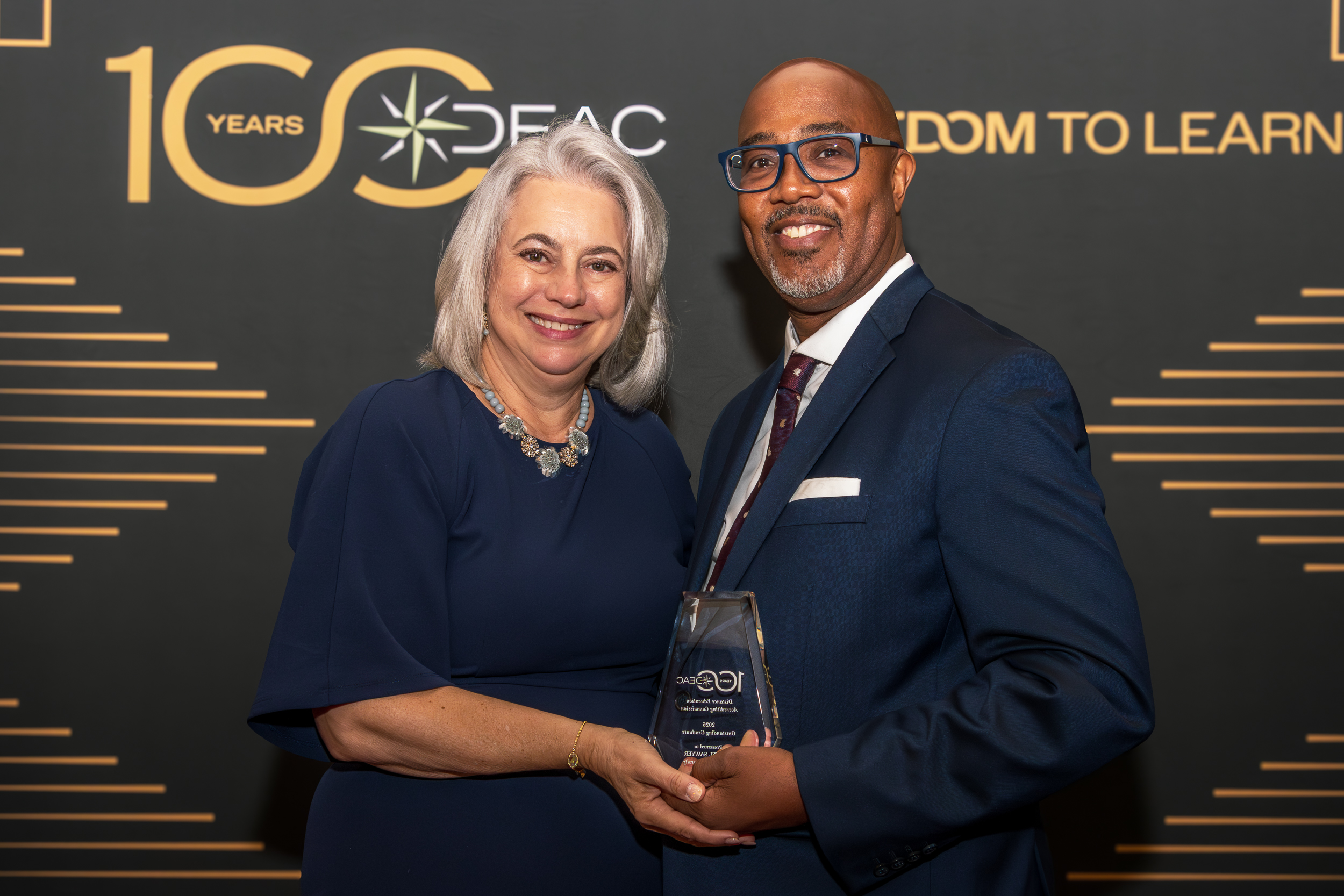
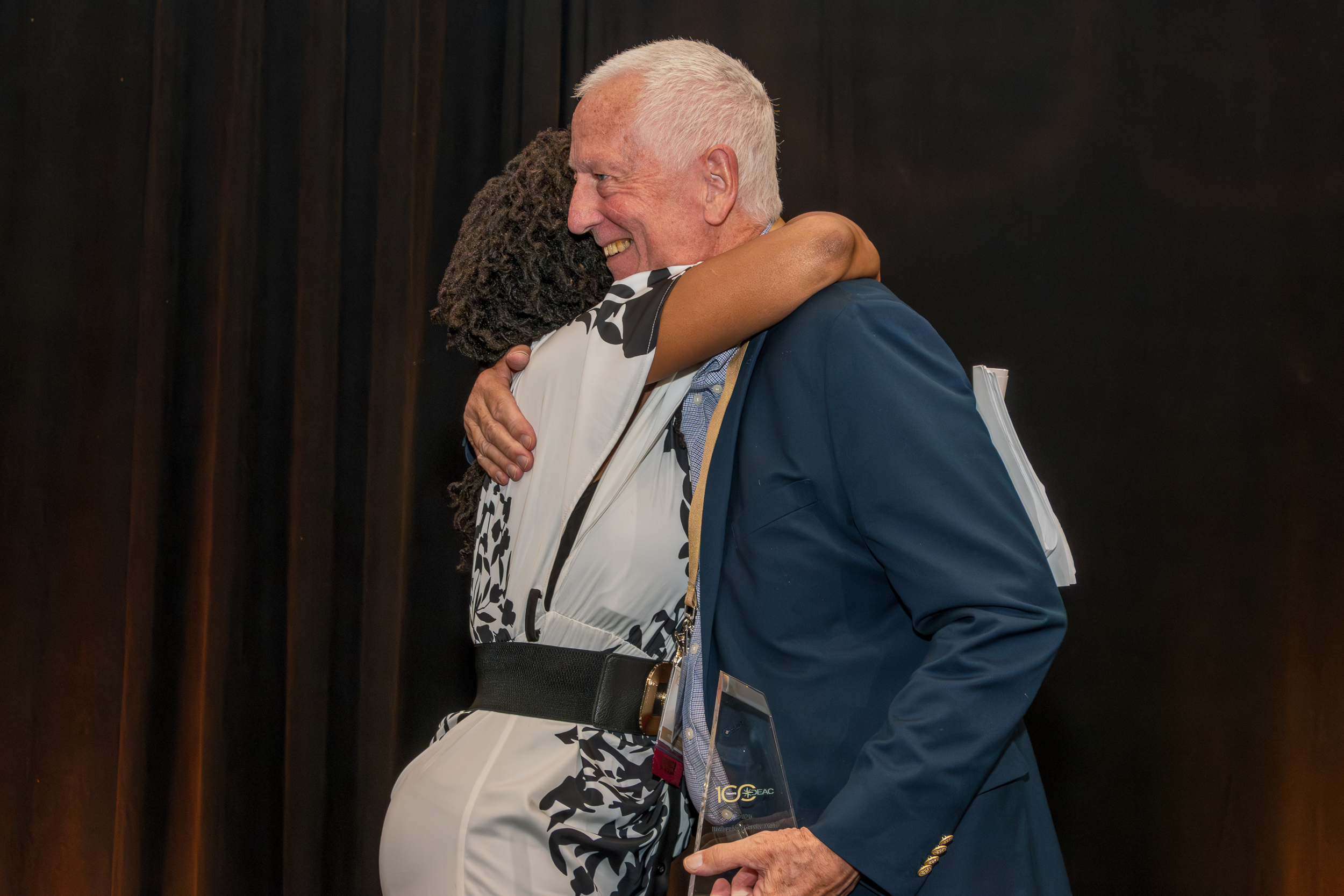
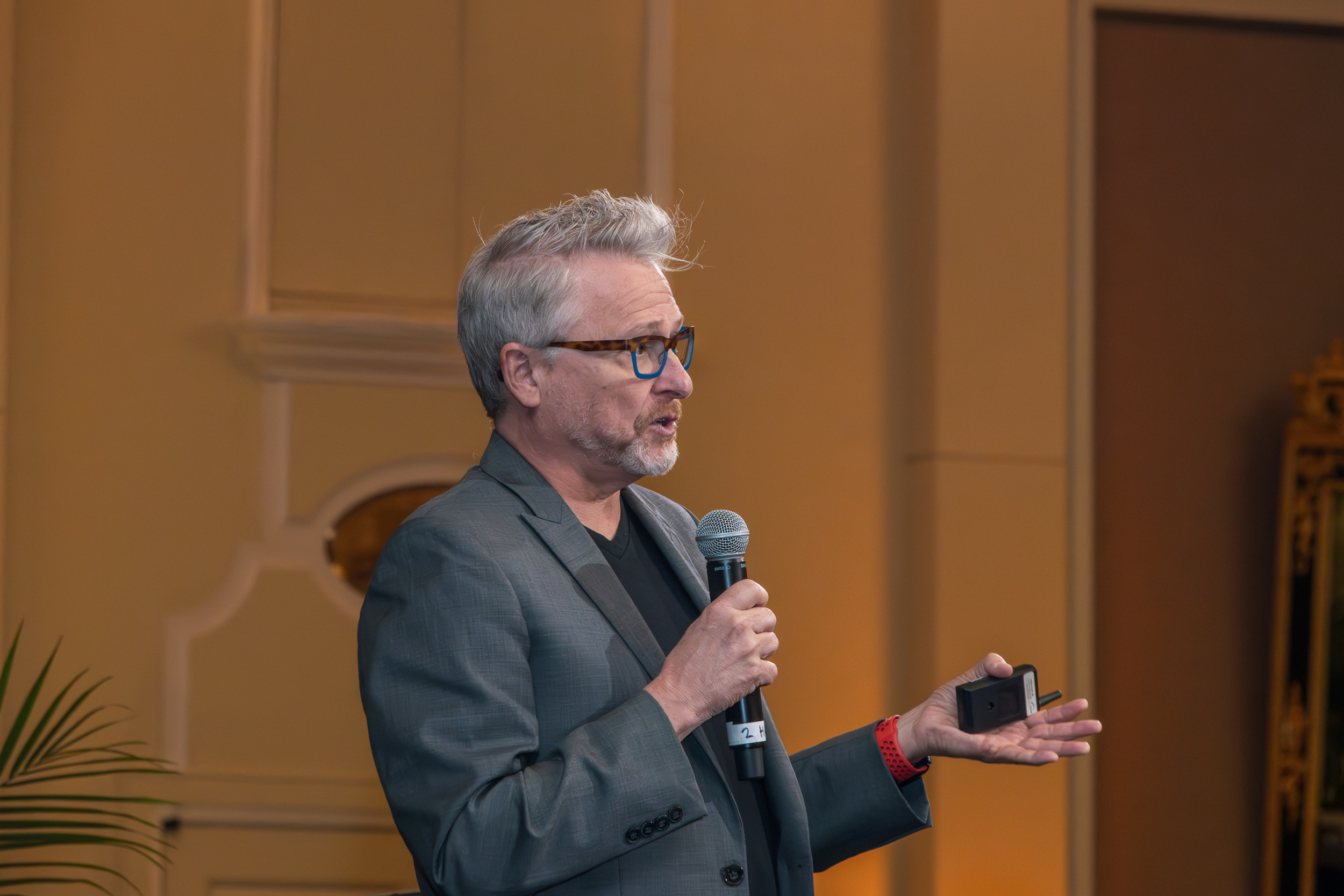
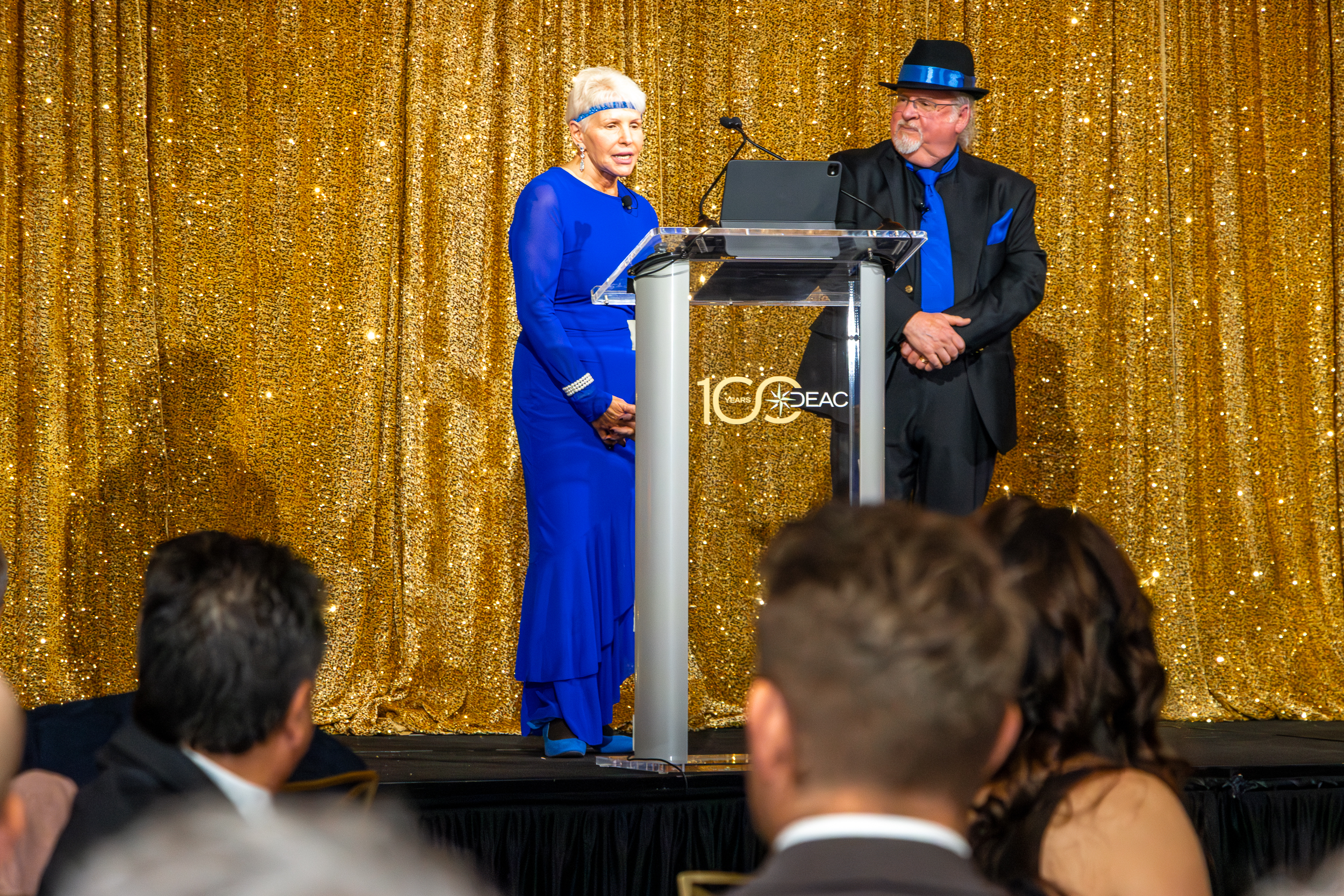
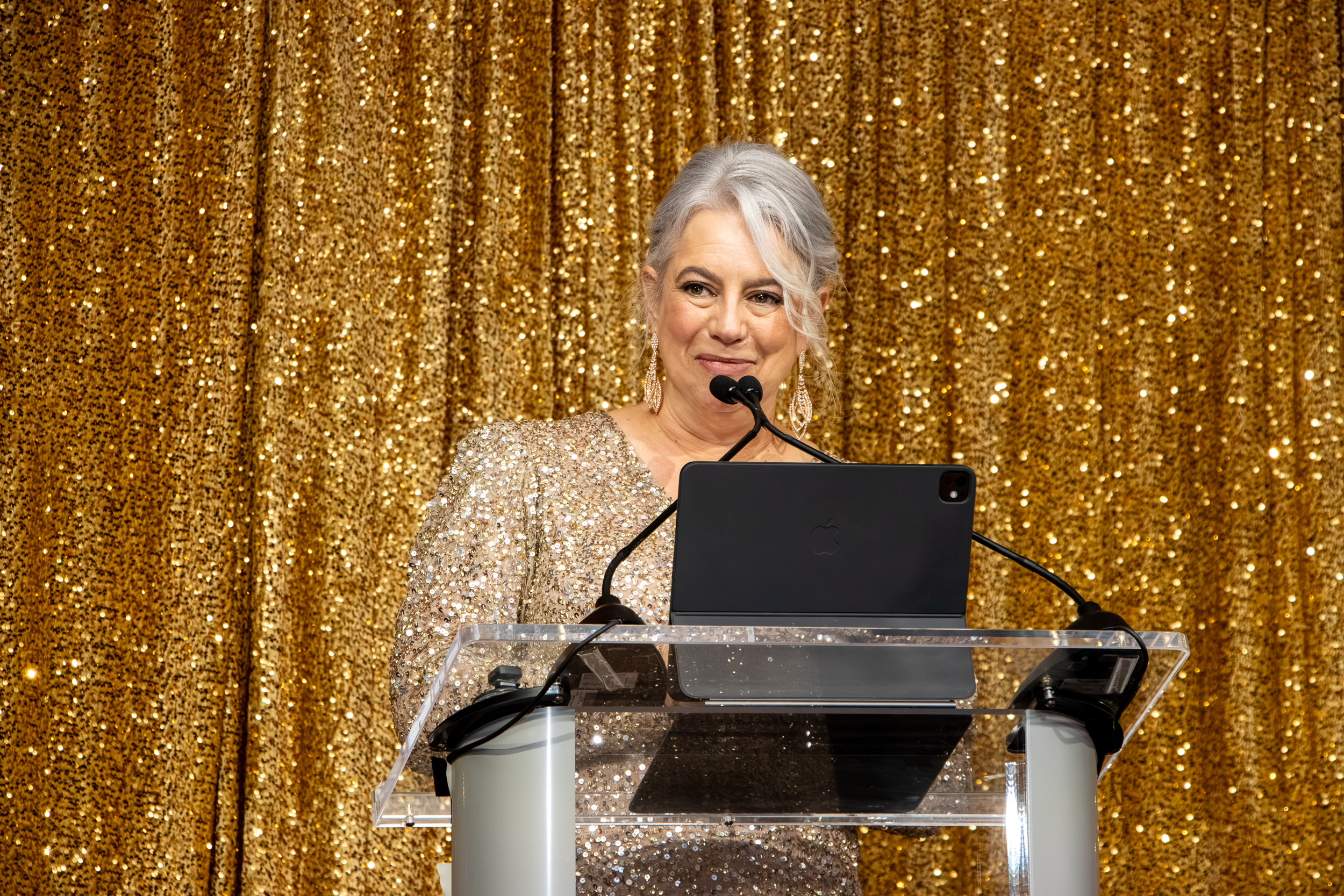
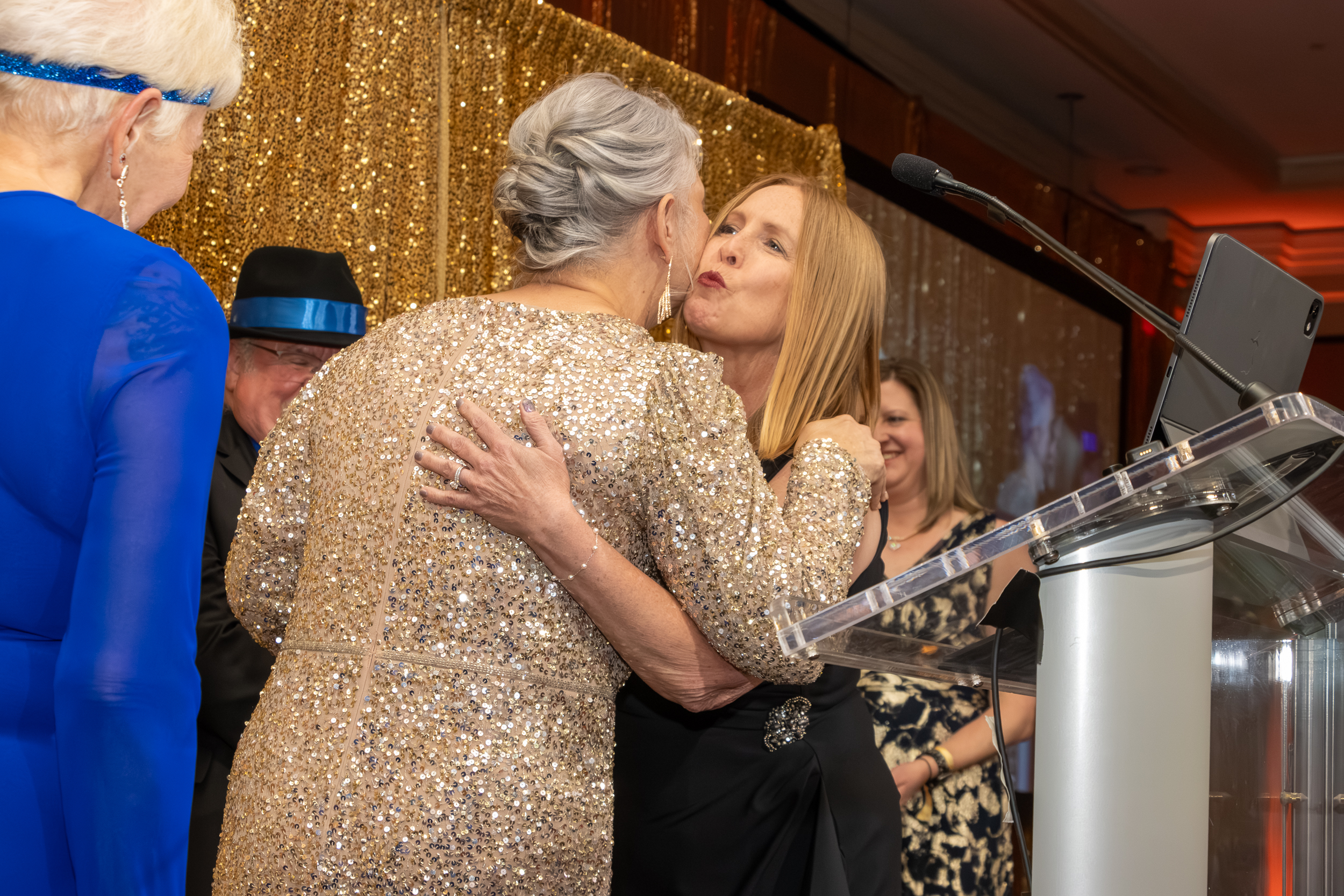
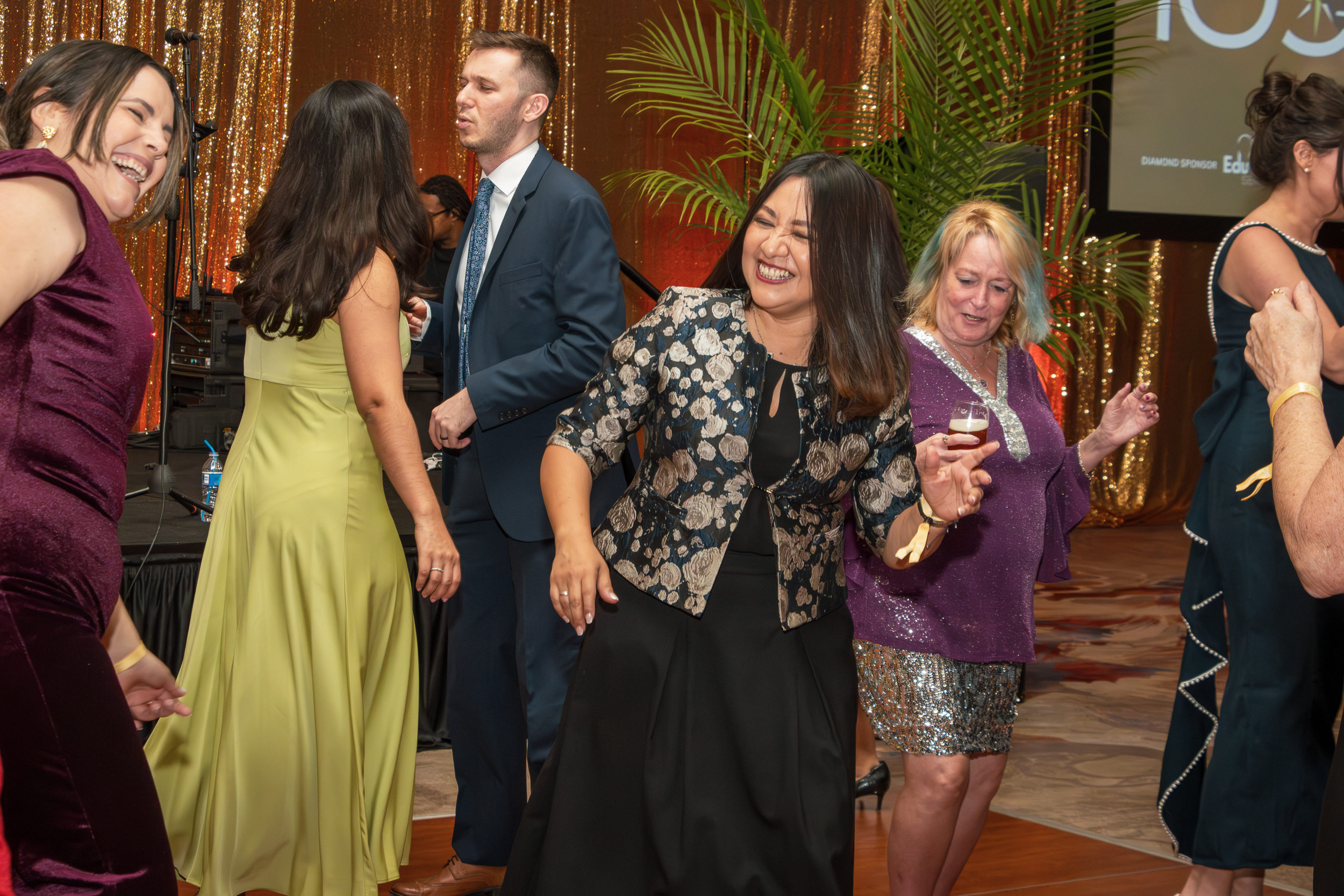
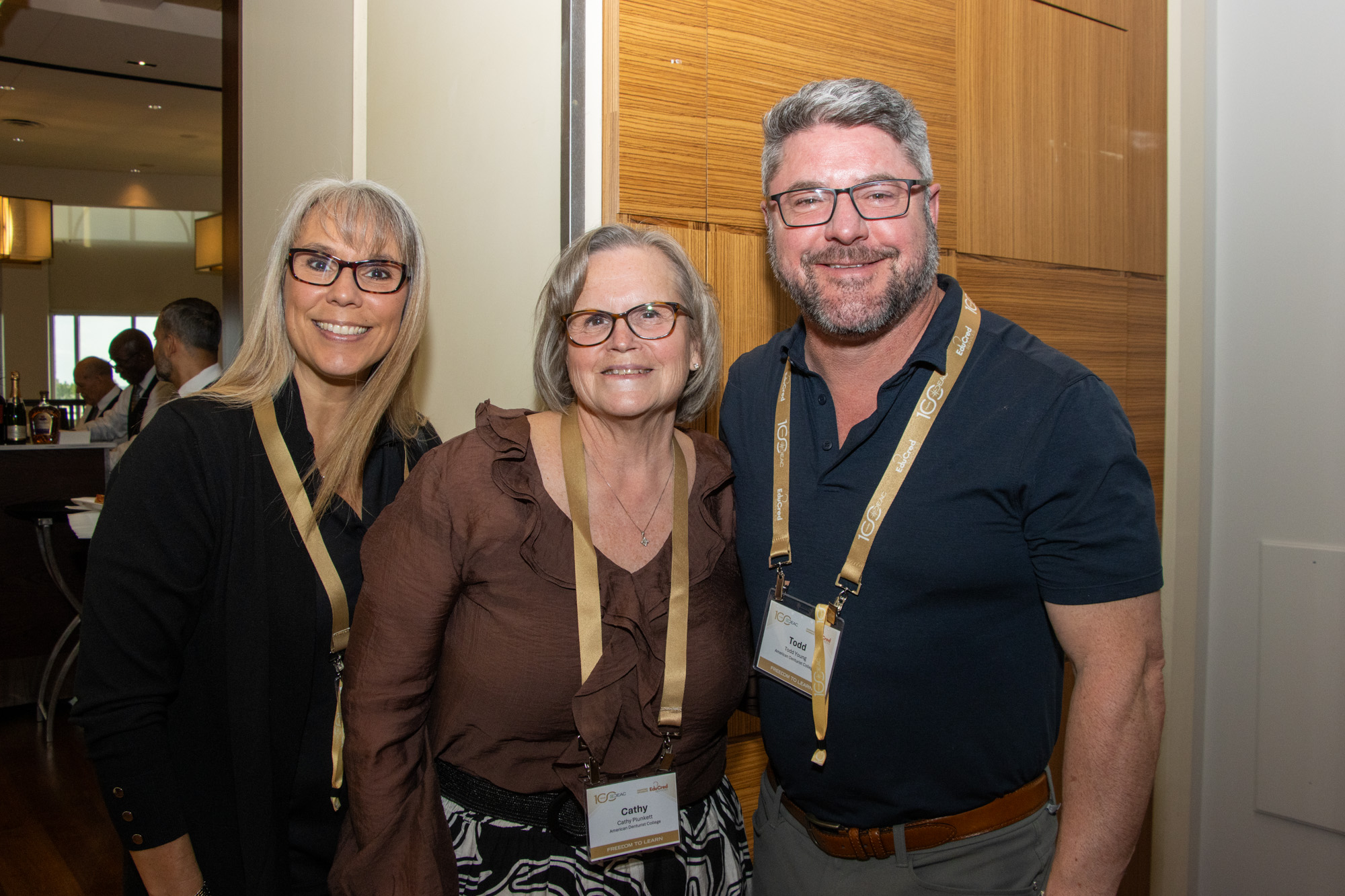
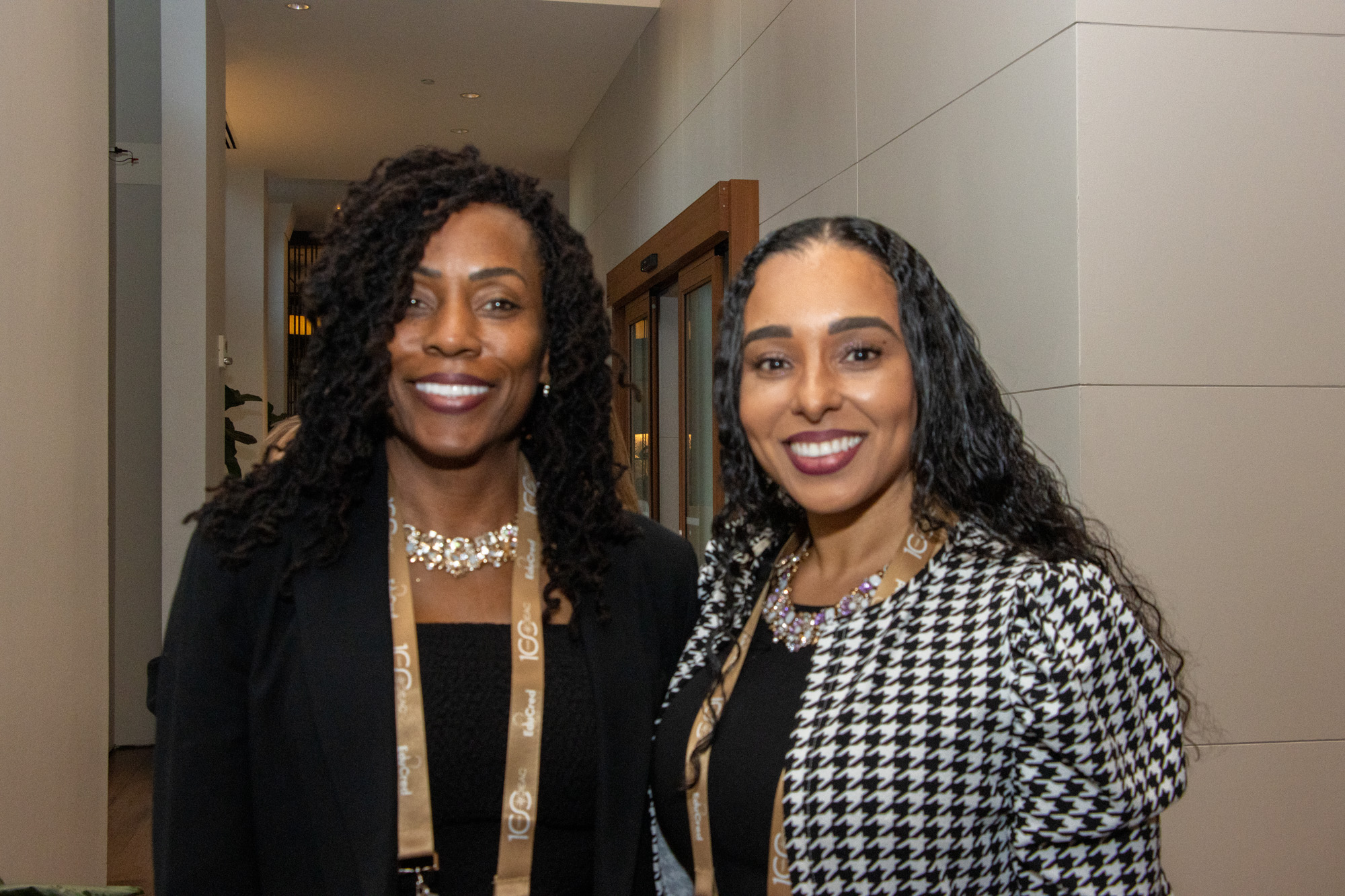
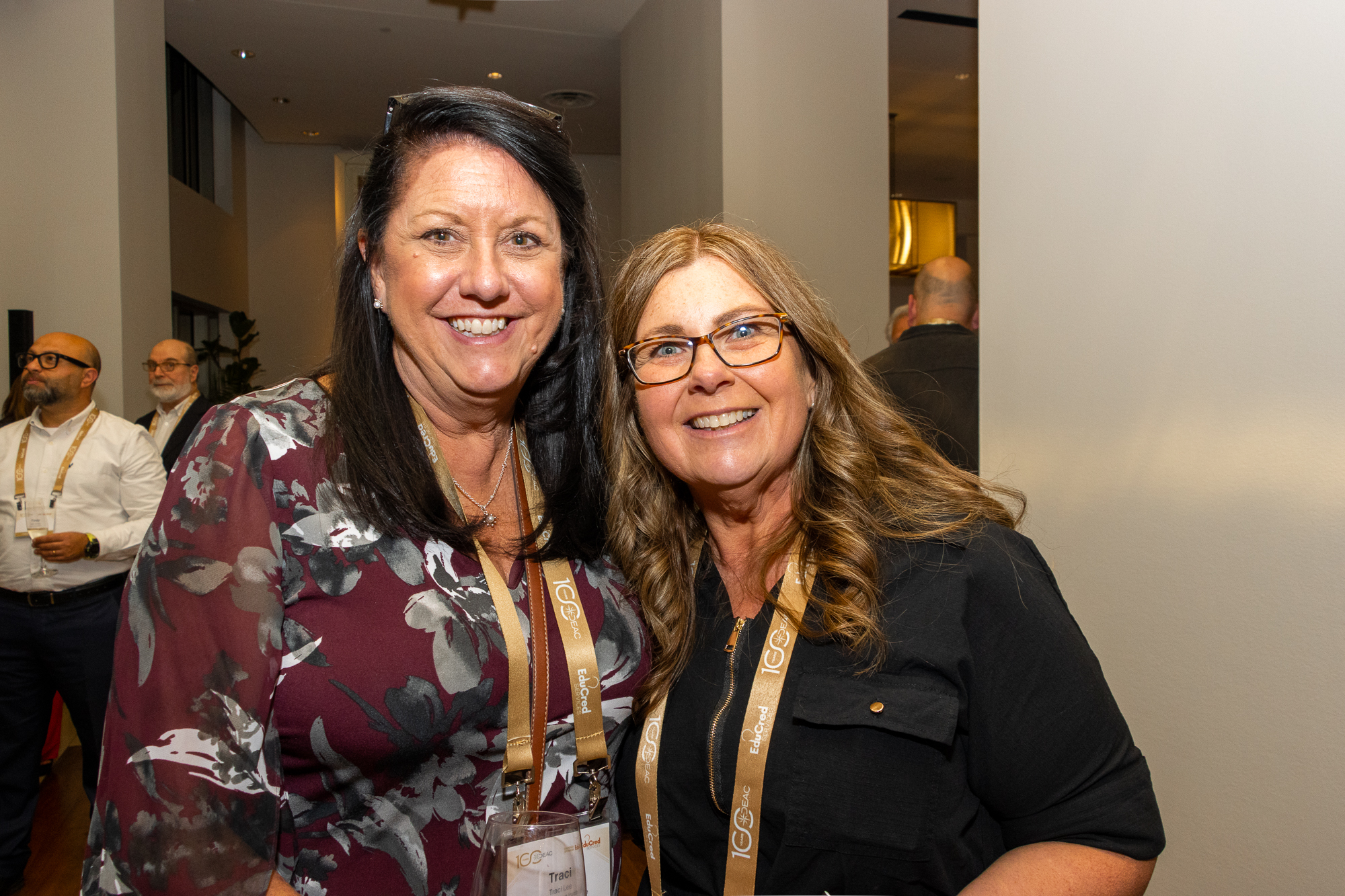
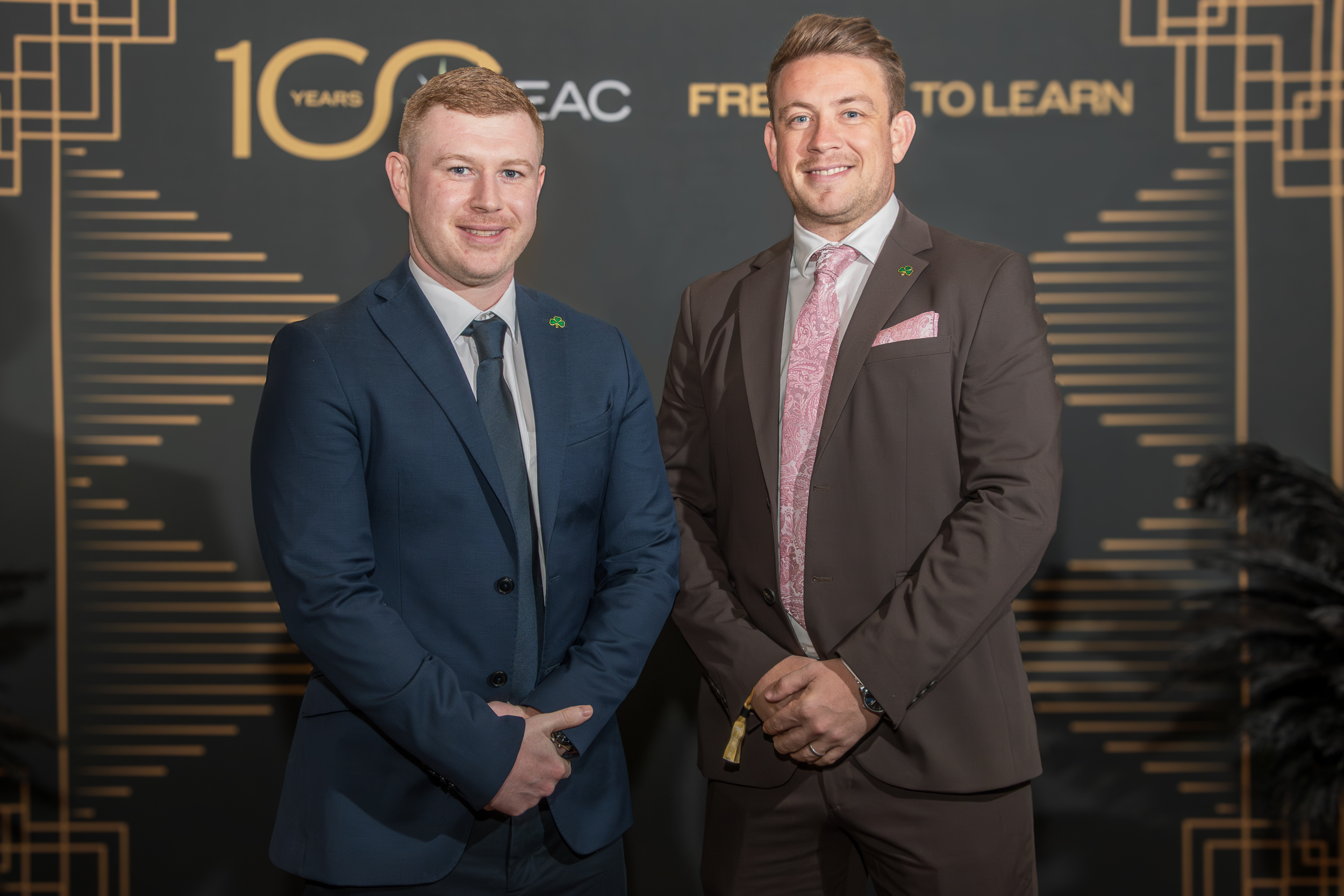
DEAC’s Centennial Gala celebrated the enduring impact of visionary institutional founders whose work has made 100 years of innovation, leadership, and opportunity possible.
Every DEAC-accredited institution is invited to select two graduates per year for these honors. See our 2026 awardees here.
In 1926, a group of educators launched the National Home Study Council on a founding principle: Students deserved access to quality education regardless of where they lived. Over the next century, the organization grew from the NHSC to the DETC, and finally into today’s Distance Education Accrediting Commission.
Now celebrating 100 years, DEAC remains the only nationally recognized accreditor dedicated exclusively to distance education and Freedom to Learn for students worldwide.
A group of educators and correspondence school leaders founded the National Home Study Council (NHSC) on October 29, 1926 and, at an inaugural conference in Pittsburgh, PA, established fair practices for correspondence education to protect students from fraud.
NHSC Executive Director John Noffsinger is named by President Franklin D. Roosevelt as a delegate to the International Congress on Commercial Education held in Prague, Czechoslovakia.
Congress passed the Servicemen's Readjustment Act and opened federal tuition benefits to millions of returning veterans, who could now use government funding to enroll in NHSC member institutions.
NHSC member institutions appointed nine institutional representatives to formally establish the accrediting function within the NHSC.
The U.S. Commissioner of Education listed the NHSC Accrediting Commission as a nationally recognized accrediting agency and granted the first (and only) federal recognition of a distance education accreditor.
The NHSC inaugurated its awards program, presenting the first Distinguished Service Award to Edward Degener from the National Radio Institute
The American Council on Education (ACE) accepted the NHSC as an affiliate member, placing NHSC alongside regional accreditors and traditional universities in national policy discussions.
The U.S. Congress passed the Higher Education Act and extended federal financial aid to working adults and first-generation students, expanding access to NHSC member institutions’ programs.
Michael Lambert joined NHSC’s staff and advanced to serve as executive director from 1993 - 2013, culminating in a distinguished 40-year career with the organization.
NHSC joined the Council on Postsecondary Accreditation, a forerunner of the Council for Higher Education Accreditation (CHEA), as a charter member.
NHSC expanded its awards program to recognize and celebrate the achievements of outstanding graduates and famous alumni.
NHSC hosted a National Invitational Forum on Correspondence Education at Ohio State University to convene leaders of the U.S. Military, the National University Continuing Education Association, and the Christian Correspondence School Association.
The U.S. Secretary of Education granted NHCS continued recognition and an expansion of scope, allowing NHCS to accredit academic degrees through the master’s degree level.
To align the organization's identity with what member institutions delivered—programs through video, satellite, correspondence courses, and early online platforms—the NHSC adopted the name Distance Education and Training Council (DETC).
DETC launched Delta Epsilon Tau, a distinguished national honor society recognizing excellence among distance education institutions and students.
The newly formed Council for Higher Education Accreditation (CHEA) recognized the DETC, confirming that DETC met CHEA's published standards for academic quality and institutional accountability.

DETC received renewal of recognition from the U.S. Secretary of Education and the Council for Higher Education Accreditation (CHEA), including approval to expand its scope to encompass professional doctoral degree programs.

Congress passed the Higher Education Opportunity Act, including online learning in federal regulation for the first time, and codified standards for the distance education delivery method that DETC-accredited institutions had operated for decades.
DETC convened a series of regional meetings to ensure that its accredited institutions were fully prepared to comply with evolving state authorization requirements governing student enrollment.
Seeking to highlight the organization’s core function as the independent accreditation of distance education institutions, the DETC adopted the name Distance Education Accrediting Commission (DEAC).
Dr. Leah Matthews, DEAC’s executive director, served on the U.S. Department of Education’s Negotiated Rulemaking Committee, contributing to the development of regulatory language that refined the implementation of the federal definition of distance education.
DEAC provided steady leadership and critical support to the accreditation community as higher education rapidly pivoted to online learning in response to concerns about COVID-19—a trend that has continued to expand since the pandemic.
The Commission expanded its board to include six institutional representatives and six public members, bringing the total number of Commissioners to twelve.
DEAC marks 100 years of continuous operation and stands as the only nationally recognized accreditor dedicated exclusively to distance education.
Contact Us
1101 17th Street NW, Suite 808
Washington, D.C. 20036
202.234.5100 Tel
Email Us
Download the DEAC Handbook
Our hotel guest room block at Salamander Washington DC is now sold out.
If you would still like to stay at the Salamander, you may check public availability directly with the hotel. There are also several nearby hotels within walking distance of the conference & gala venue, including: