

San Diego is home to California’s first mission, founded in 1769 — built by hand from adobe and timber, then enlarged, enhanced, restored, and transformed again and again over the centuries that followed. It’s a fitting backdrop for this year’s theme: a strong foundation isn’t something you build once and leave alone. It’s something you keep building on.
In accreditation, standards are that foundation. Wherever your institution stands today — early in the application process, approaching a first renewal, or well established — the standards are there to help you build your next level from your current one.
That’s this year’s focus: practical next steps for real progress, whatever stage you’re starting from. A program strengthens. An outcome sharpens. A practice that was once a stretch goal becomes routine — and makes room for the next one. The Fall Workshop is built to help you identify that next level and give you tools to climb higher.
Sunday, October 18 | Opening Reception 6 to 8pm
Monday, October 19 | 8am to 5pm
Tuesday, October 20 | 8am to 4pm
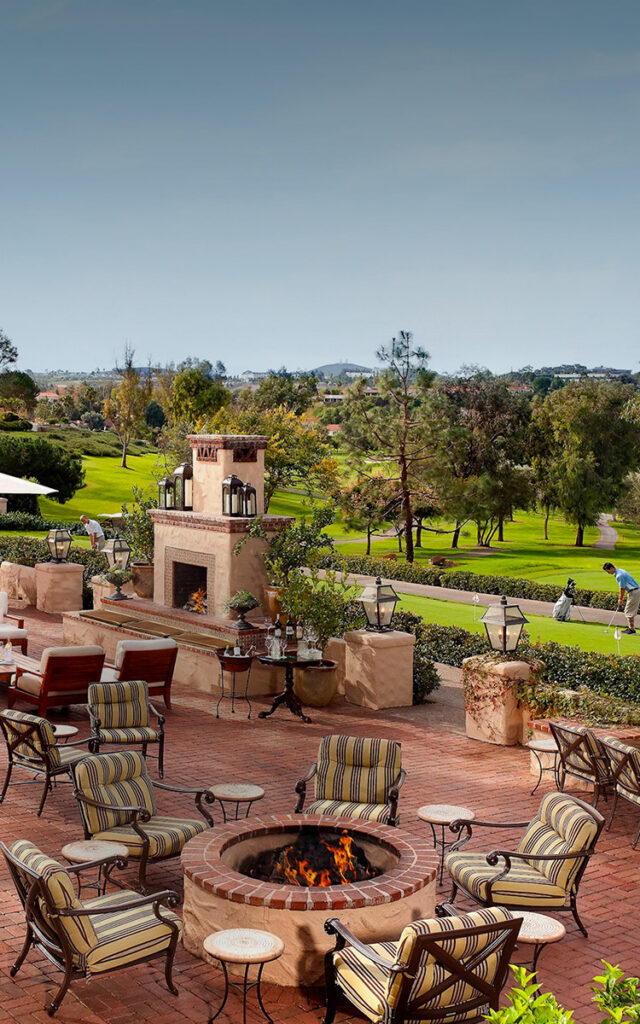
Rancho Bernardo Inn | 17550 Bernardo Oaks Drive, San Diego, CA 92128
Set in the rolling hills of San Diego’s North County approximately 30 minutes from downtown San Diego and San Diego International Airport.
Registration includes reception Sunday, breakfast and lunch Monday and Tuesday, and all workshop sessions (hotel accommodations not included).
The workshop is designed for institutions at every stage of the accreditation life cycle — new to accreditation, entering renewal, or maintaining continuous compliance — to learn best practices from industry experts and DEAC peers alike.
Institutions planning to apply for initial accreditation or renewal should have at least one key representative attend a Fall Workshop within the year prior to applying.
This year’s agenda reflects the experience institutions have since gained across three full cycles of initial and renewal accreditation under the standards in effect since January 2025, drawing on a review of chair reports and past attendees’ feedback to identify topics that will offer the most benefit and impact for attendees.
Plenary sessions: Guest experts and seasoned DEAC evaluators provide broad context, industry best practices, and practical insight into demonstrating compliance with DEAC Standards.
Targeted tracks for applicants and renewals: Some standards are addressed in full-group plenary sessions; others are addressed in separate tracks for applicant institutions and already-accredited institutions, based on where each group’s needs differ.
Building Blocks Sessions: Shorter, focused sessions targeting specific topics within the standards — common issues, common misunderstandings, or practical approaches to elevating institutional practice — repeated twice within the time slot so you can pick two.
DEAC Processes & Procedures: Sessions covering process mechanics for both applicant and accredited institutions, including initial application, readiness, preparing for renewal, and navigating specific substantive changes.
New-to-DEAC Mentoring Program: Representatives of applicant institutions, and others attending for the first time, can opt in to be paired with an experienced participant. The goal is to give first-timers a home base and a peer voice — someone who has personally navigated DEAC’s processes and standards — for context and orientation throughout the workshop. This is a peer relationship, not an evaluator or consultant relationship.
Affinity Groups & Closer Conversations: Informal space for conversation among like institutions or shared interests — for example, those with faith-based missions, those operating primarily in Spanish, or those with specialized interests, such as the interplay between emerging technologies and specific DEAC standards. Institutions interested in convening a group can email kate.sudarsan@deac.org.
Keynote Address: How do you keep learning personal, connected, and human, no matter the format or scale?
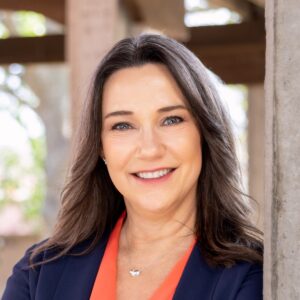
Dr. Michelle Pacansky-Brock has built her career answering that question — developing and researching a faculty-training model that is grounded in trust and relationships as the foundation of rigorous learning, not a soft add-on.
She now leads statewide professional development for 60,000 faculty in California’s community college system and offers a systems-level view of why humanity matters in the AI age, and what it takes to close achievement gaps at institutions of any size.

Our hotel guest room block at Salamander Washington DC is now sold out.
If you would still like to stay at the Salamander, you may check public availability directly with the hotel. There are also several nearby hotels within walking distance of the conference & gala venue, including: